
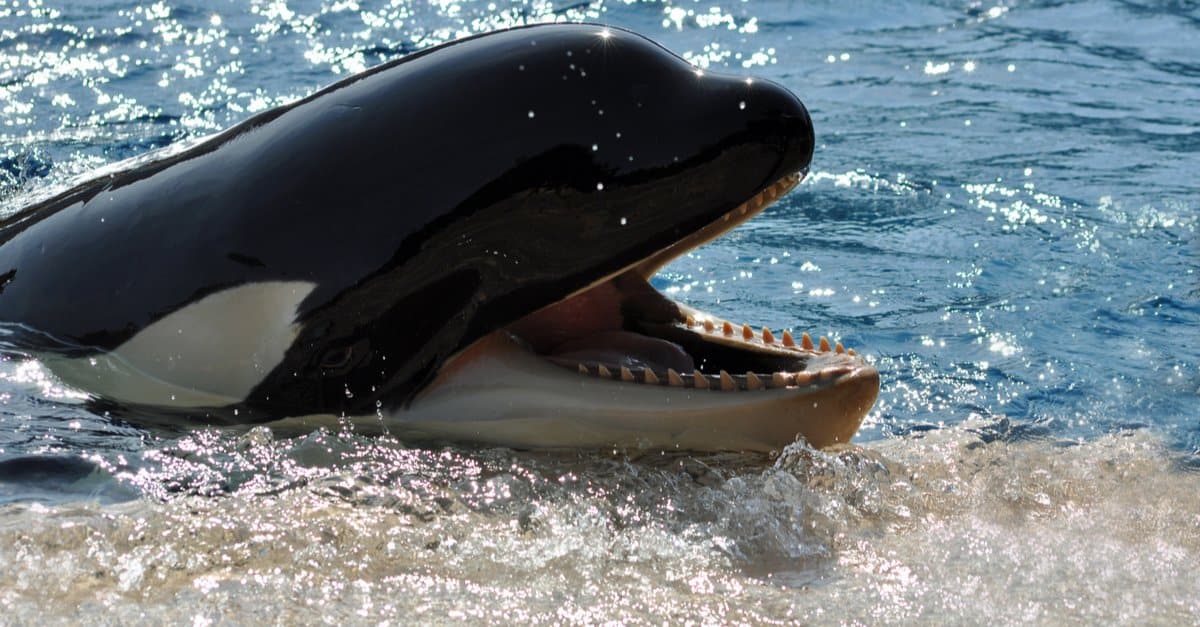
Cetaceans divide into two groups in the manner in which they catch their food, using teeth or bristles.

You have probably seen a picture of a smiling dolphin smiling with a mouth full of pearly white teeth. Dolphins are whales, but not all whales have teeth. When it comes to whales, teeth are what set them apart. The two groups of the order Cetacea (Whales) are the baleen whales and the toothed whales.
Most cetaceans have triangular teeth and feed on fish or squid. These include dolphins, porpoises, narwhals and sperm whales. Several whales, including most of the largest, feed by filtering crustations and shoaling fish through large plates of bristles called baleen.
Baleen whales carry their medical records in their mouths.
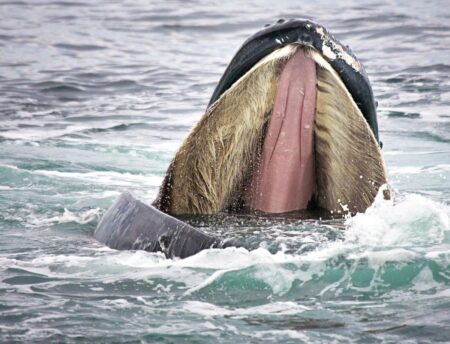
The baleen whales open their mouths to let water in. They then raise their tongue to force the water out. As the water passes through the bristles, they retain any animal which the whale then swallows. Baleen whale embryos have teeth, which show they evolved from toothed ancestors.
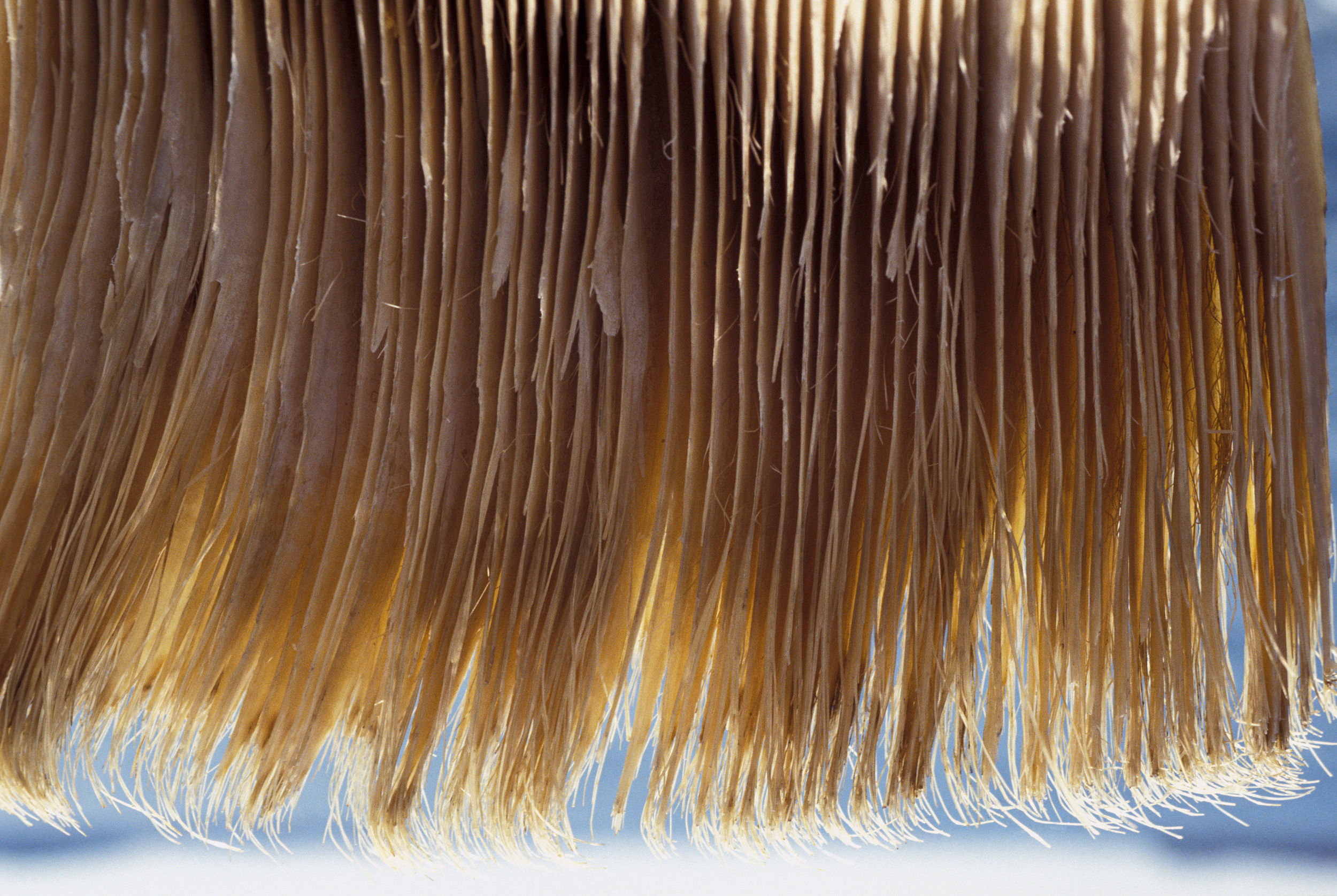
Photo by Roland Seitre/Minden Pictures
The colour, length, and number of baleen plates varies between whales, but it is always arranged in vertical slats attached to the upper jaw. This is the baleen of a dwarf minke whale.
Narwhal teeth- A dentist’s nightmare!
The whole thing that is great about the teeth of the narwhal is that nothing makes sense. The tusks are an extreme example of dental asymmetry. They exhibit uncharacteristic dimorphic or sexual expressions since females do not exhibit erupted tusks as commonly as males. Also, the tusk has a straight axis and a spiralled morphology. Conventional mechanisms of evolution do not help explain these expressions of teeth.