Great White Sharks stir primal panic like no other animal.
Hollywood lied to us about the Great White Shark. They aren’t just lonely hunters; they’re smarter and more social than we ever gave them credit for. Even their appearance is a bait-and-switch. From the side, a Great White looks less like an apex predator and more like a “slack-jawed buffoon”—a bloated, sausage-shaped creature drifting through the water.
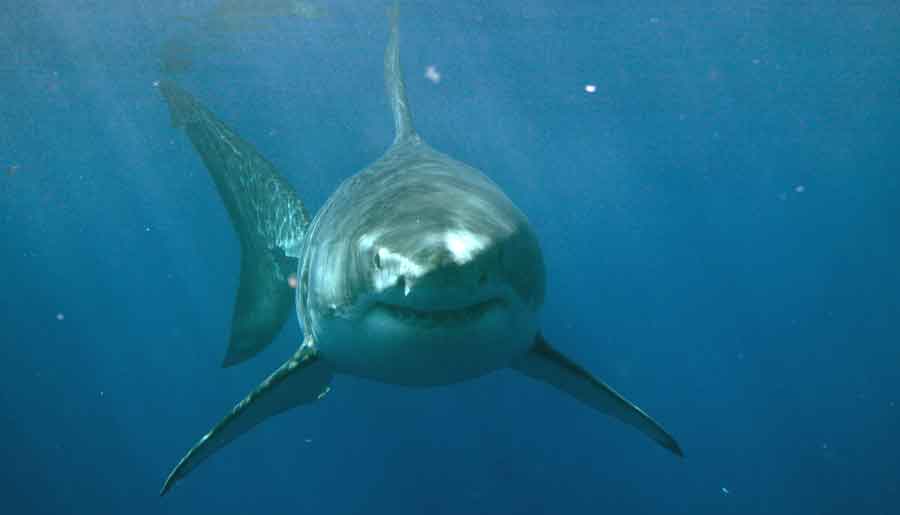
The comedy ends, however, when it turns its head. Suddenly, the profile of a blimp becomes the silhouette of a hunter. You’re staring down an arrow-shaped head, two tons of crunching force, and a pair of calculating blue eyes. It approaches with a quiet confidence, sizing you up to see if you’re worth the hunt. If the verdict is “no,” it simply turns away, reclaiming its goofy disguise as it glides back into the abyss.
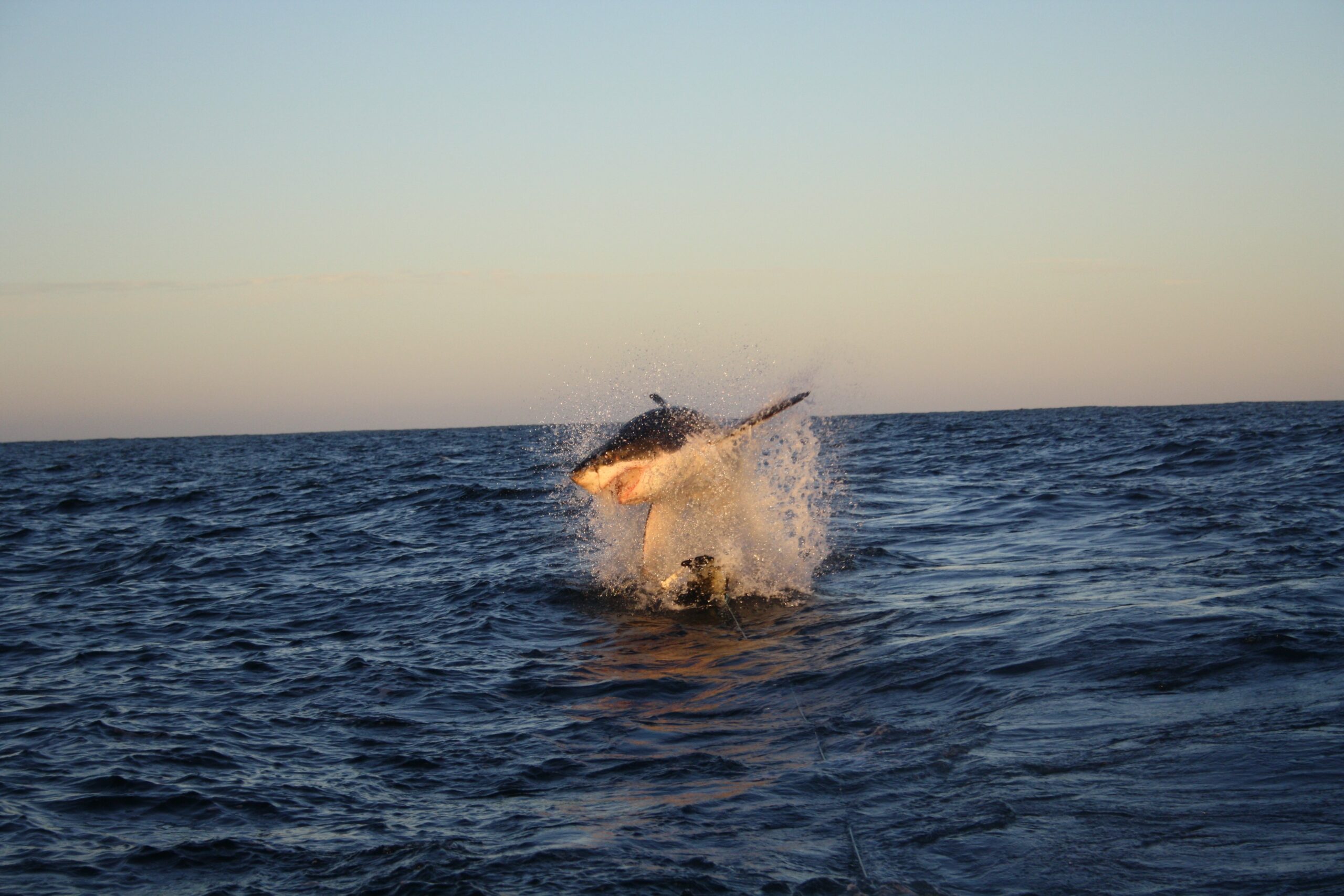
Though blockbusters like Jaws and Finding Nemo have turned the Great White into the ocean’s most iconic and feared celebrity, we actually still know surprisingly little about the true nature of these legendary predators.
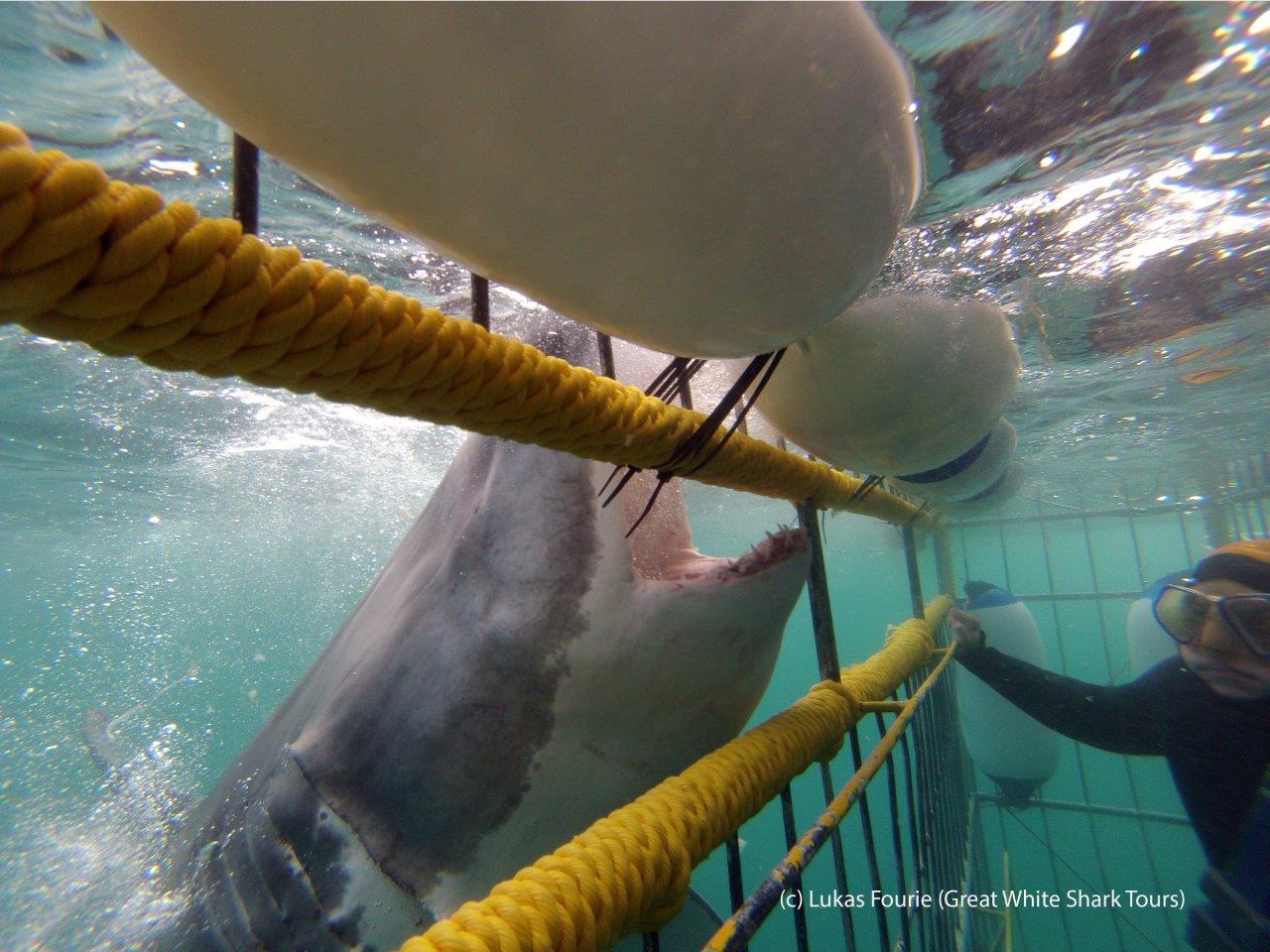
A great white shark circles back—again and again—drawn by curiosity rather than aggression as it investigates a cage diver off the waters of Gansbaai. Moments like these challenge the story we’ve been telling ourselves for decades. The truth? Humans are far more dangerous to great white sharks than they will ever be to us.
With more than 500 shark species cruising the world’s oceans, it’s remarkable that popular culture has fixated on just one. When Pixar went searching for an underwater villain for Finding Nemo, it ignored the easygoing nurse shark, passed over the notoriously bold bull shark, and even skipped the tiger shark—arguably a better fit for a coral-reef setting. Instead, it chose the great white, its wide, toothy grin looming large on movie posters across the globe, cementing its role as the ultimate ocean antagonist.
Yet the great white shark, often crowned the ocean’s most iconic fish, remains deeply misunderstood. Despite its fearsome reputation, science continues to reveal a far more nuanced animal. Great whites are not relentless killing machines—most interactions with humans are tentative, exploratory, and driven by curiosity, not hunger. They are not always solitary wanderers either, and emerging research suggests they may be far more intelligent and socially complex than we once believed.
For shark lovers, this is where fascination deepens. Strip away the myths, and the great white emerges not as a monster, but as a finely tuned apex predator—ancient, cautious, and vital to ocean health. The more we learn, the clearer it becomes: the real story of the great white shark isn’t about fear, but about respect, wonder, and the urgent need for protection.
The Ghost of the Deep: Why the Great White Won’t Be Tamed
Imagine a land predator the size of a pickup truck roaming the coastlines. On land, we would know everything—its social life, its movements, its every habit. But the ocean plays by a different set of rules. Beneath the waves, the Great White is a ghost that appears and disappears at will, making it nearly impossible for scientists to track them into the dark, crushing depths of the open sea.
The Great Biological Blank Space
Despite decades of study, the most basic facts of a Great White’s life remain a total mystery. We are still guessing at the “big” questions:
The Secret Cycle: No human has ever witnessed Great Whites mating or giving birth.
The Waiting Game: We still don’t know exactly how many months they gestate or the precise age they reach maturity
The Missing Map: We can speculate on their numbers, but we don’t truly know how many exist or where they spend the vast majority of their lives.
They Refuse to Live Behind Glass
If you want to study a lion, you go to a zoo. If you want to study a Great White, you have to meet it on its own terms. These sharks have proven time and again that they cannot—and will not—be held captive.
In every attempt to keep them behind glass, the results have been heartbreaking. These apex predators have been known to starve themselves in protest or even slam their heads against tank walls in a desperate bid for freedom. Many aquariums have been forced to release them for their own safety, or because the sharks began attacking their tank-mates.
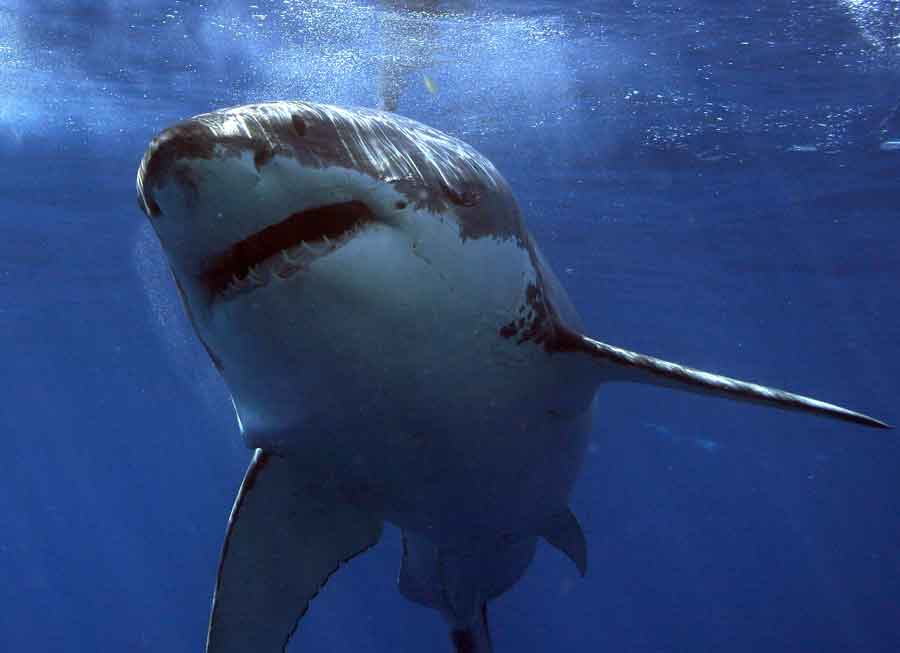
The message is clear: the Great White belongs to the wild, and it isn’t ready to share its secrets just yet.