


Generation Z is leading a significant shift in drinking habits. In fact, compared to preceding generations, Generation Z may be the soberest generation yet.
Gen Z, those born between 1997 and 2012, have long been hailed as “generation sensible” – dozens of articles have charted how they drink less alcohol, exercise more, eat a healthier diet and have ditched nightclubs for book clubs. Once, nightclubs or sports clubs brought people together. Now there’s a boom in people getting together online and in person to discuss their favourite books
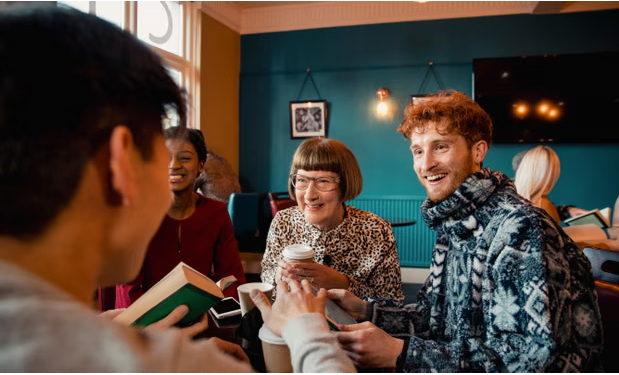
Gen Z drinks less, questioning habits that previous generations barely called challenging
As Dry January begins, there’s one generation that has already begun cutting back on alcohol: Gen Z.
“It is becoming clear that, for whatever reasons, today’s younger generations are just less interested in alcohol and are more likely than older generations to see it as risky for their health and to participate in periods of abstinence like Dry January.
Adds Sybil Marsh, a physician specialising in family medicine and addiction: “There was a time when drinking some alcohol was a badge of maturity and was sophisticated. But now, it’s only one out of a whole range of ways that people can relax or show sophistication and so on.”
There was a time when smoking was just another pastime. Doctors smoked, athletes smoked, tobacco companies were top advertisers, and aeroplanes had separate smoking areas. Yes, you could smoke on a flight. And if you did not smoke, well, you were the odd one out. Now, cigarettes have shifted from cool rebellion to dangerous social taboo worldwide.
Doctors, athletes, and advertisers behave as if cigarettes were part of daily life

Then the science caught up. Cancer statistics piled up. Public health campaigns changed the narrative, and slowly cigarettes went from cool to cancerous. Smoking was once accepted, even celebrated, across society
Is alcohol going the same way? I ask because look at alcohol sales
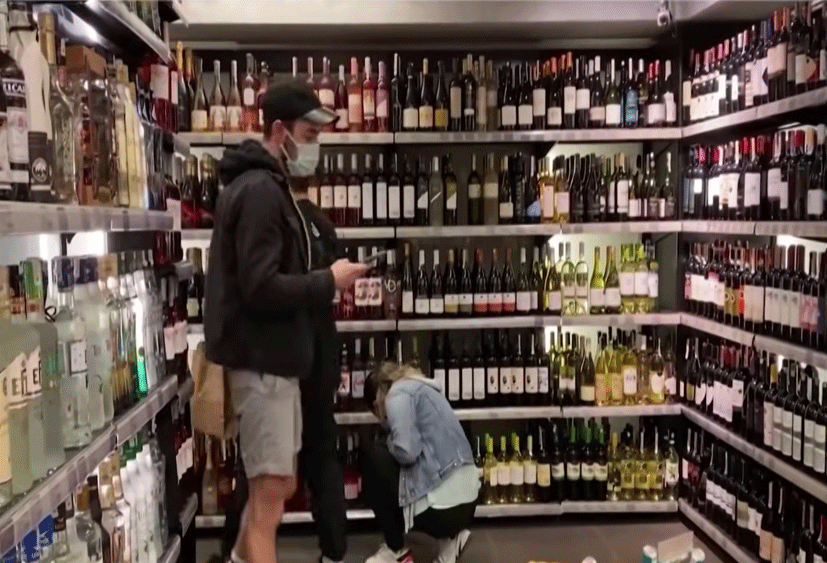
Globally. They’re dipping every year. In 2025, sales dipped by 1% across the world and wine was the hardest hit at 2.4%. Global wine consumption has fallen to its lowest level since 1961. Even the sales of spirits are slowing.
And these may look like small figures, but do remember that alcohol was once considered recession-proof. It’s an industry that kept growing for decades, and now it is slowing down. And the reason for that could be Gen Z.
They’re not drinking as much. On average, Gen Z drinks 20% less than millennials. And many Gen Zers are abstaining from booze altogether for multiple reasons. One of them is more awareness. That’s one of the reasons the WHO says no amount of alcohol is good for your body. No amount. Not even that one glass of wine.
Is alcohol going the smoking way?
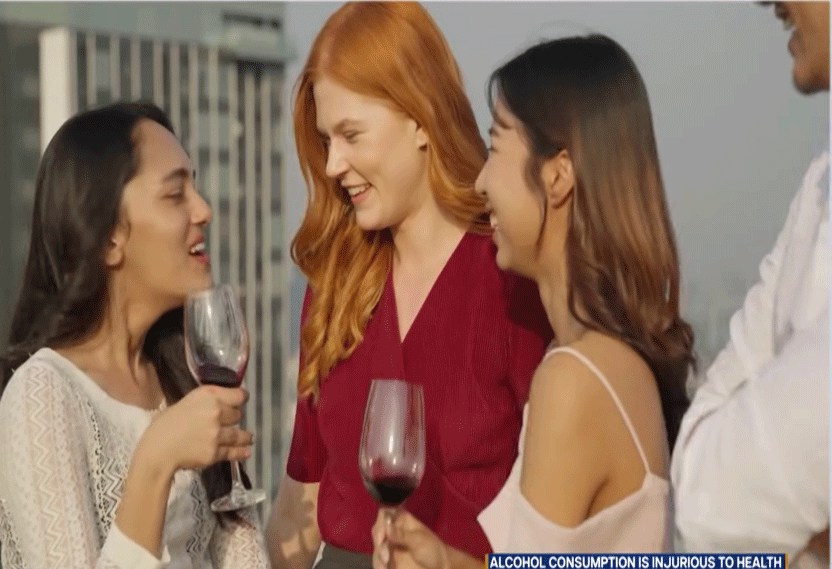
For all its PR, wine has lost the plot. Then the nature of socialising is changing. You see, social gatherings used to be associated with alcohol. You get together, you drink, you spend the rest of the next day recovering.
Well, not anymore. More and more people are prioritising health over temporary indulgence. From reducing their calorie intake to avoiding the dreaded hangover, it is rooted in the desire for a healthier lifestyle.
Gen Z drinks less, questioning habits that previous generations barely challenged
One of the most significant cultural changes among younger generations is the reduced stigma around mental health. This shift has been instrumental in encouraging open dialogue about the impact of alcohol on mental and emotional well-being.
“They are worried about their futures and economic security, they are more disciplined and surveilled by parents and on social media, they are anxious and are prioritising mental health as it is noticeably increasing in young people.”
Non-alcoholic drinks and marijuana increasingly replace traditional drinking rituals

The other option is marijuana.
The drug is legal in nearly half of all US states for recreational use, and this has led to a shift in consumption patterns.
Reason four is inflation and social media. Everything is more expensive, from rent to food items. So, Gen Z is ditching the pricey cocktails. Awareness, changing social lives, inflation, and alternatives all reshape consumption.
And reason five, less socialising.

Many younger people are redefining what it means to have fun without the need for alcohol. For younger generations, meaningful social experiences are less about following traditional scripts and more about creating inclusive and intentional environments.
The world over, people are hanging out less than ever. Take these numbers from the United States. In the year 2003, people spent almost 30 hours a month with their friends. 30 hours a month. In 2019, that number went down to 10 hours. And less socialising meant less drinking.
Now alcohol faces scrutiny as global sales quietly begin slipping

Of course, this is not good news for the alcohol industry. They’re not denying the trend. They’re adapting to it. They’re coming up with zero alcohol beers, alcohol-free spirits, and even large mocktail menus at bars. Another reason for less drinking is the rise of other options like non-alcoholic beverages. In 2020, the global non-alcoholic beverages market was worth $923 million. By 2028, it could be worth over $1.7 trillion. Non-alcoholic beer is on track to become the world’s second-largest beer category. That’s non-alcoholic beer.
Looking ahead, businesses need to rethink how they cater to a generation that is drinking less alcohol. Some businesses, like With Grace Marketplace — a bottle shop specialising in alcohol-free alternatives — are already doing this.
The rise of ‘sober curiosity.’
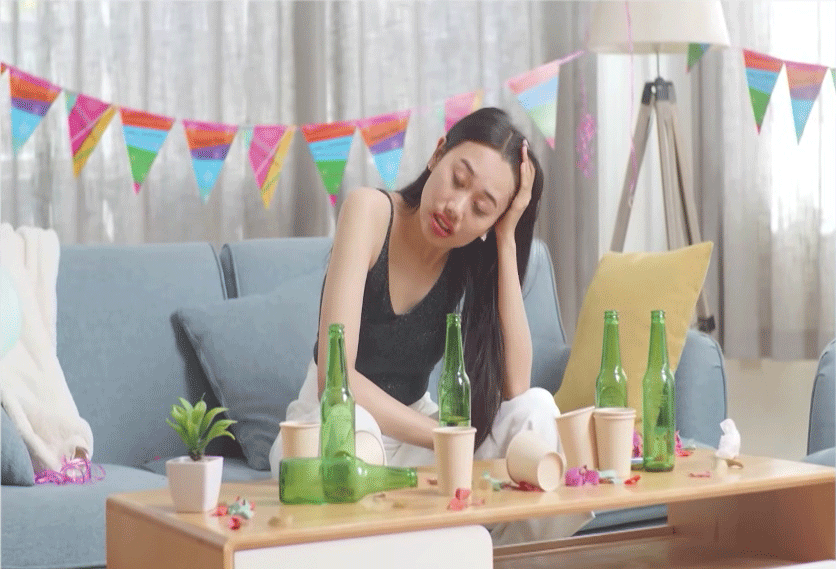
Sober curious is now a market category. It means you’re curious to see what sober life is. The trend is catching on.
The sober curiosity movement encourages people to make conscious efforts to evaluate their relationship with alcohol. It aligns with a broader cultural shift among younger generations toward mindfulness and intentional decision-making across all areas of life.
One of their defining characteristics is their heightened sense of self-awareness. Movements like the sober curiosity movement — a term popularised by cultural commentator Ruby Warrington in her 2018 book — reflect this.
Social media platforms like Instagram and TikTok are powerful drivers of Gen Z’s relationship with alcohol. These platforms provide spaces for sharing alcohol’s risks while celebrating alternatives.
Is Alcohol the new cigarette?

Is it here to stay? Will alcohol become the new cigarette? Well, the popular answer is no. Some analysts say every generation drinks more as it gets older. So, Gen Z could be the same. They may not be drinking now, but the trend could reverse later.
Second, alcohol still claims cultural space. It is tied to celebrations, weddings, festivals, even religion, and rituals that go back centuries. Cigarettes never had that kind of emotional real estate.
So, no, alcohol may not become the next cigarette, but it is becoming something else.
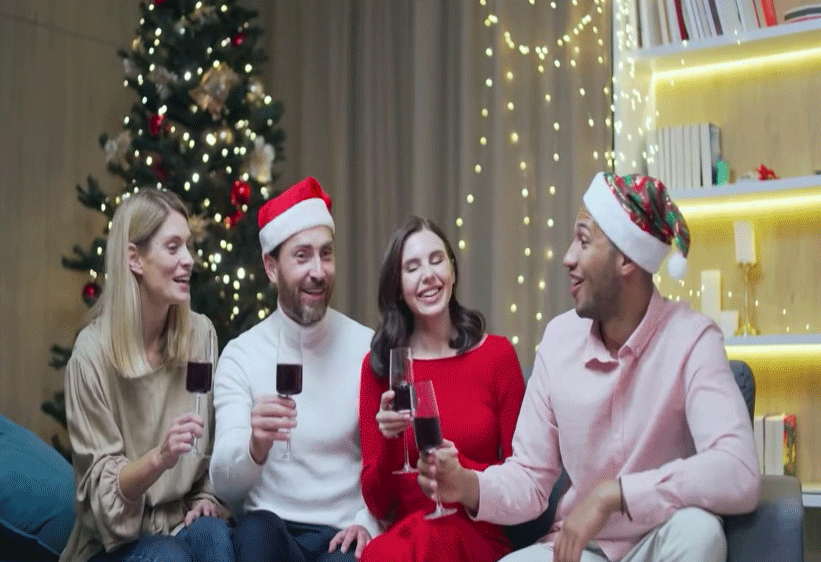
A generation ago, drinking was considered the cool thing to do. It was a rite of passage and a form of social currency.
But with Gen Z, that’s changing.
And that might be the most radical shift of all.
For more info about our blogs: