

Adventure Travellers are rapidly becoming one of the most dynamic and popular travel industry segments. The desire for unique, adrenaline-pumping experiences is driving more travellers to seek out destinations that offer excitement and adventure. This trend presents a golden opportunity for hotels to attract a new wave of thrill-seekers. By catering to adventure tourists’ specific needs and preferences, hotels can increase occupancy rates and enhance their brand’s appeal and profitability.
Understanding the Thrill-Seeker Market
Adventure tourists are typically characterised by their love for outdoor activities, physical challenges, and novel experiences. This demographic is often younger, tech-savvy, and willing to spend more on experiences that offer a sense of achievement and exhilaration. Activities such as hiking, rock climbing, white-water rafting, and skydiving are just a few examples of what attract these travellers.
To effectively tap into this market, hotel owners and managers must understand the motivations and expectations of Adventure Tourism.
These travellers are looking for more than just a place to stay; they seek an experience that aligns with their adventurous spirit. This means that hotels need to go beyond traditional hospitality services and offer packages and amenities that cater specifically to thrill-seekers.

The trend towards eco-conscious travel is not merely a niche market phenomenon but is becoming a mainstream demand. Today’s travellers are more informed and concerned about the environmental and social impact of their journeys.
They are actively choosing accommodation, adventure operators, and transport options that demonstrate a commitment to eco-friendly practices. This shift in consumer behaviour is compelling the hospitality industry to reassess and realign their operations and services to meet these expectations.

Creating Tailored Packages and Experiences
One of the most effective ways for hotels to attract adventure tourists is by creating tailored packages that include both accommodation and adventure activities. Partnering with local adventure tour operators can provide guests with easy access to activities such as guided hikes, mountain biking, scuba diving, and more.
By offering all-inclusive packages that cover accommodation, meals, and adventure activities, hotels can provide a seamless and convenient experience for their guests.
In addition to packages, hotels can enhance the appeal of their offerings by incorporating adventure elements into the property itself. This could include features such as climbing walls, zip lines, or even an on-site adventure park. By providing guests with a taste of adventure right on the hotel grounds, hoteliers can create a unique selling point that sets their property apart from the competition.
Emphasising Safety and Expertise
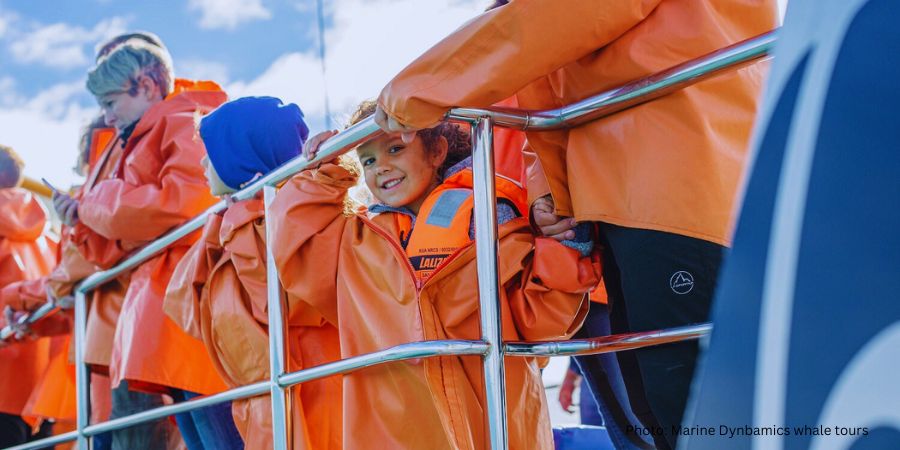
Safety is a paramount concern for Adventure Tourism. Hotels looking to attract this market must ensure that all adventure activities are conducted with the highest safety standards. This includes working with reputable tour operators, providing proper safety gear, and ensuring that guides and instructors are certified and experienced.
Moreover, hotels can build trust and credibility by highlighting their commitment to safety in their marketing materials. Providing detailed information about the safety measures in place, as well as testimonials from previous guests, can help reassure potential customers and encourage them to book their stay.

Leveraging Technology and Social Media
Adventure tourists are often highly active on social media, sharing their experiences and seeking inspiration for their next adventure. Hotels can leverage this by creating an engaging online presence that showcases the exciting activities available to guests.
High-quality photos and videos of guests participating in adventure activities can be powerful marketing tools, as they provide a visual representation of the experiences on offer.
Encouraging guests to share their own photos and reviews on social media can also help to generate buzz and attract new customers. Hotels can incentivise this by running social media contests or offering discounts for guests who share their experiences online.

Providing Exceptional Customer Service
As with any segment of the hospitality industry, exceptional customer service is key to attracting and retaining adventure tourists. Hotels should ensure that their staff are knowledgeable about the local adventure activities and can provide guests with helpful information and recommendations.
Personalised service, such as arranging for transportation to adventure sites or providing packed lunches for day trips, can go a long way in enhancing the guest experience.
Additionally, hotels can offer amenities tailored to adventure tourists, such as secure storage for equipment, drying rooms for wet gear, and wellness facilities for post-adventure relaxation.
By anticipating and meeting the unique needs of thrill-seekers, hotels can create a memorable and satisfying experience that encourages repeat visits and positive word-of-mouth referrals.

Sustainability and Responsible Tourism
Adventure Tourism are often environmentally conscious and value sustainable travel practices. Hotels can appeal to this demographic by implementing eco-friendly initiatives and promoting responsible tourism. This could include measures such as reducing waste, conserving water, using renewable energy sources, and supporting local conservation efforts.
Promoting the hotel’s sustainability commitment in marketing materials can help attract environmentally conscious travellers and position the hotel as a responsible, ethical choice for adventure tourism.
Conclusion
Adventure tourism presents a significant opportunity for hotels to diversify their offerings and attract a growing market of thrill-seekers. By understanding the unique needs and preferences of Adventure Tourism, creating tailored packages and experiences, emphasising safety, leveraging technology and social media, providing exceptional customer service, and promoting sustainability, hotels can successfully tap into this exciting market. Embracing the spirit of adventure can not only enhance the guest experience but also drive business growth and success in the competitive hospitality industry.
In sum, the surge in eco-conscious travel is a clarion call for the hospitality industry to pioneer sustainable practices. By doing so, businesses can secure a resilient, profitable, and sustainable future, contributing to a world where travel and tourism flourish in harmony with the environment.
The path towards sustainability is evolving, but with proactive measures and dedication to eco-friendly practices, the hospitality sector can lead the way in fostering a more sustainable and responsible global tourism industry.
Tags: Adventure tourismTailored Packages and ExperiencesThrill-Seeker Market