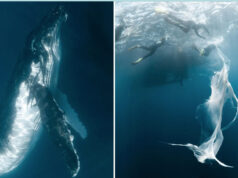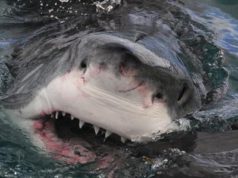
Fortunately, ongoing research continues to yield new insights, such as this alarming reason why humpback whale injuries caused by fishing gear are becoming an increasingly serious problem
Key takeaways
- Rising ocean temperatures are driving humpback whales closer to the coast, increasing their risk of becoming entangled in fishing gear.
- Warmer years have seen a significant increase in humpback whale entanglements
What’s happening?
Rising ocean temperatures are shrinking the critical ocean foraging habitat of the and driving humpback whales closer to the coast, where they are more likely to become entangled in fishing gear, according to a study published in PLOS Climate in February.
The California Current, off the West Coast of the United States, is dependent on a process known as coastal upwelling, as Inside Climate News described in its coverage of the research.
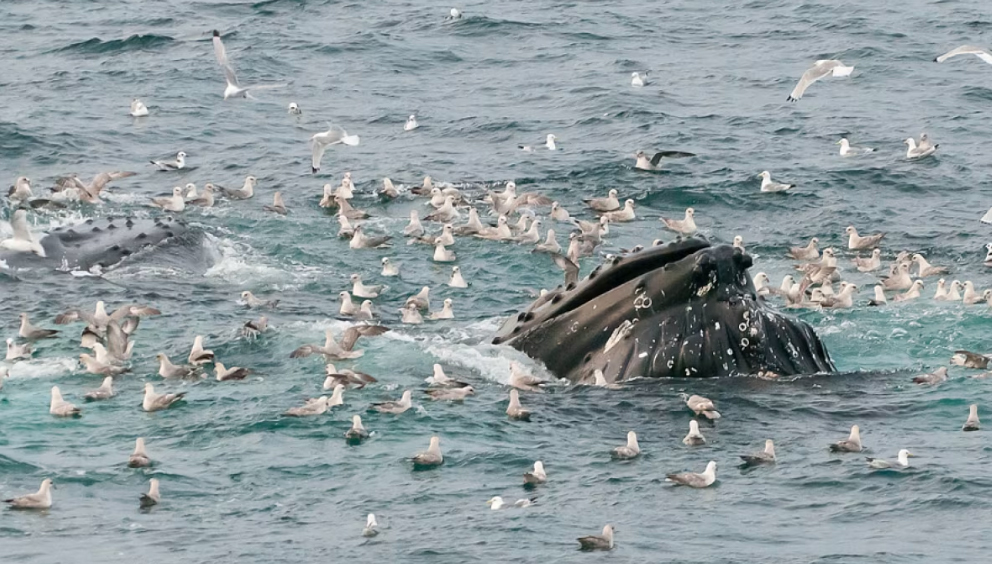
Coastal upwelling normally brings cold, nutrient-rich water to the surface, sustaining dense schools of anchovies, sardines, and krill, thereby creating rich feeding zones for whales, prey on which humpback whales rely after travelling back north from their breeding grounds. But warming oceans are disrupting this upwelling system, shrinking and shifting those feeding areas. As a result, whales are being pushed closer to shore—into areas dense with fishing gear
An unfortunate fact is that the heat waves weaken coastal upwelling, thereby reducing the amount of food in the open ocean readily available to humpback whales. This leads the whales closer to shore in search of other prey, where they can run into fishing activities and gear like Dungeness crab traps.
Research studies have shown more entanglements in years with warmer temperatures. In 2024, fewer than 10 humpback whale entanglements were reported, whereas in 2015 and 2016 — years with significant heat waves — the numbers increased dramatically.
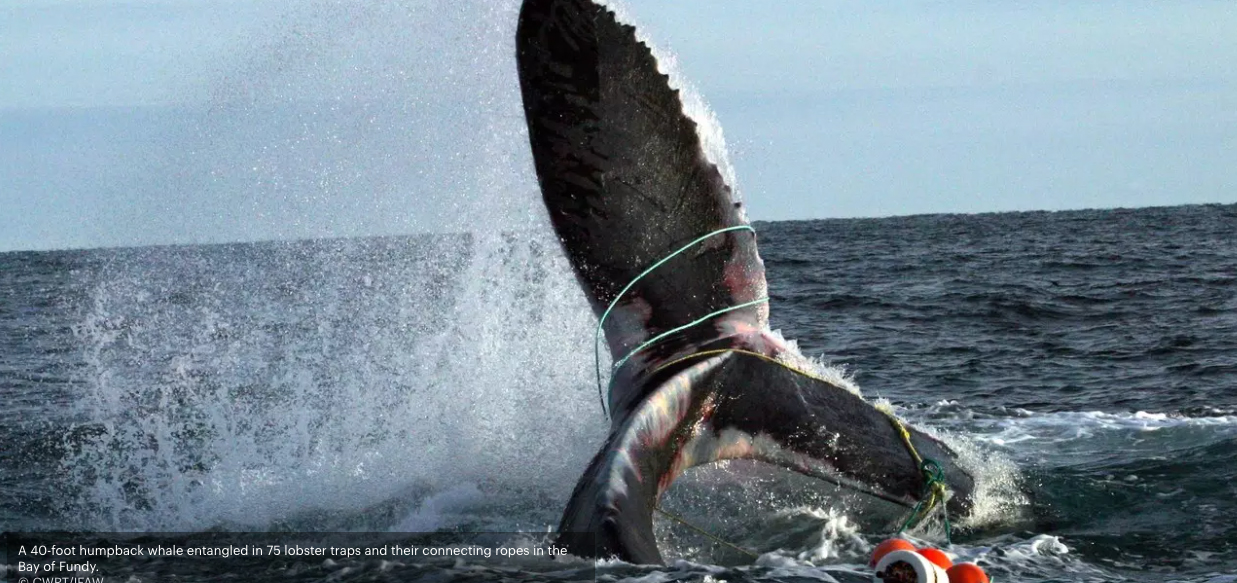
Good-natured humpback whales are naturally curious and will affectionately rub against kelp and fishing lines- a death trap which can then become wrapped around their bodies.
Humpback whales are baleen whales that take big gulps of water and food; push out the water with their tongues, and feast on what’s left behind.
“If it gets in the mouth, they can’t push it out with the tongue because it’s caught in the baleen,” explained Kathi George, Director of Cetacean Conservation Biology at California’s Marine Mammal Centre, “And then they go through that kind of throwing themselves, breaching, trying to get rid of the entanglement.”
Why are whale entanglements concerning?
The new study referred to the issue of reduced feeding grounds as “habitat compression.” And it isn’t a problem for whales alone.
In simple terms, “Habitat compression” means the areas where animals can find food are getting smaller, so they’re all forced into the same crowded spaces. This doesn’t just affect whales but also harms species such as seals and birds, as well as many other marine species, which are pushed into dangerous areas closer to human activity. Whole marine ecosystems, including food security and livelihoods for people relying of fishing, are disrupted.
We are also increasingly aware of this “ compression” on land as humans continue to expand construction into wildlife habitats, often forcing animals such as mountain lions into residential communities, posing safety risks.
What’s being done about whale entanglements?
The latest research in this area leverages data from NOAA’s Habitat Compression Index, a tool that can track upwelling and predict periods when whales may congregate closer to shore. This could help inform fishing operations and gear placement to avoid whale injuries.
People are working to remove lost fishing gear, referred to as “ ghost gear”, from the ocean and create safer fishing equipment so whales and other animals are less likely to get tangled in it.
Read More Here: https://bit.ly/4upjIaO