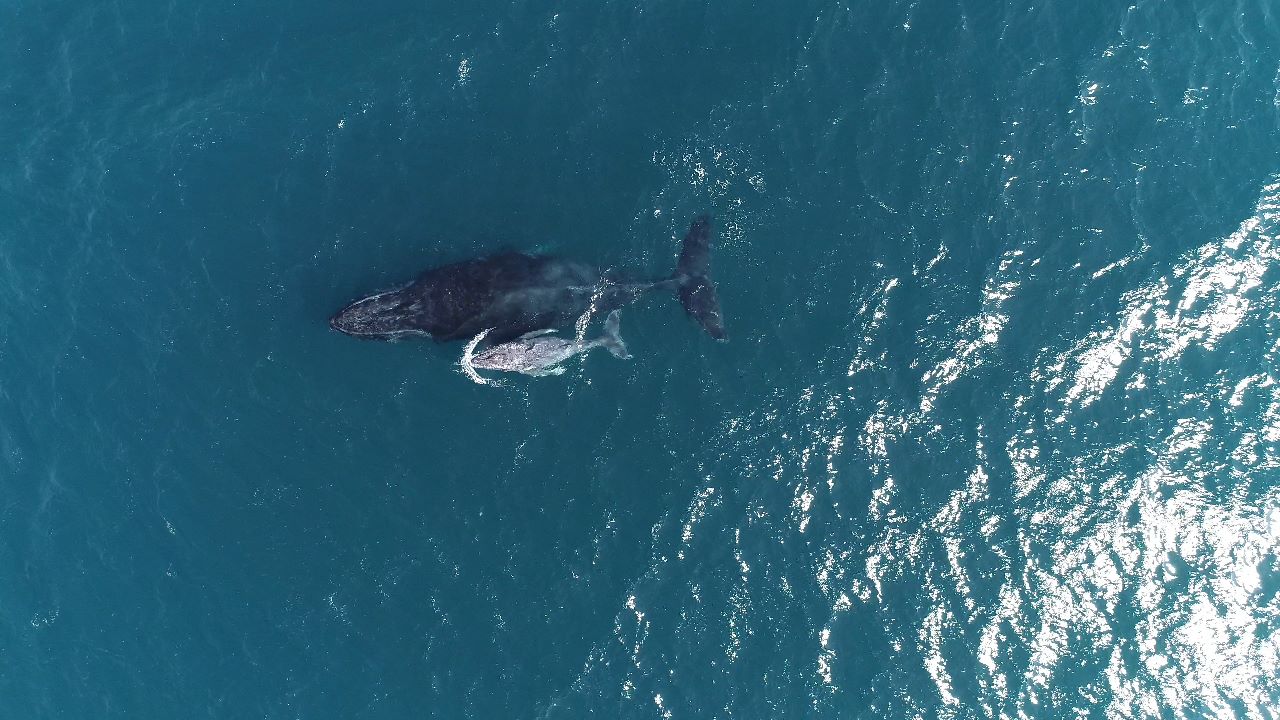
The MRI Whale Unit has completed its 2026 annual southern right whale aerial survey, continuing a long-term monitoring programme that has tracked these iconic whales along South Africa’s coastline for nearly six decades.
The final count for 2026:
- 222 cow-calf pairs
- 25 unaccompanied adults
Most cow-calf pairs were recorded in De Hoop, Struisbaai, and Walker Bay, important nursery areas for southern right whales along our coast.
Why do the numbers fluctuate so much between years?
As their long-term data show, the number of cow-calf pairs recorded each year can vary considerably. This is not necessarily a sign of population decline or recovery, but reflects the reproductive cycle of southern right whales.
The number of calves born across the population fluctuates as females move through their reproductive cycles, with some years producing more calves than others. These fluctuations may become more pronounced when calving intervals lengthen or reproduction becomes less synchronised across the population.
The number of calves born in a particular year therefore provides an important snapshot of reproductive output, and must be interpreted within the context of longer-term population dynamics.
This is why long-term monitoring matters.
By tracking cow-calf pairs year after year, alongside individual whale histories and other research data, they can investigate changes in reproductive patterns and better understand how the population is responding to changing environmental conditions.
UP Mammal Research Institute Whale Unit extends
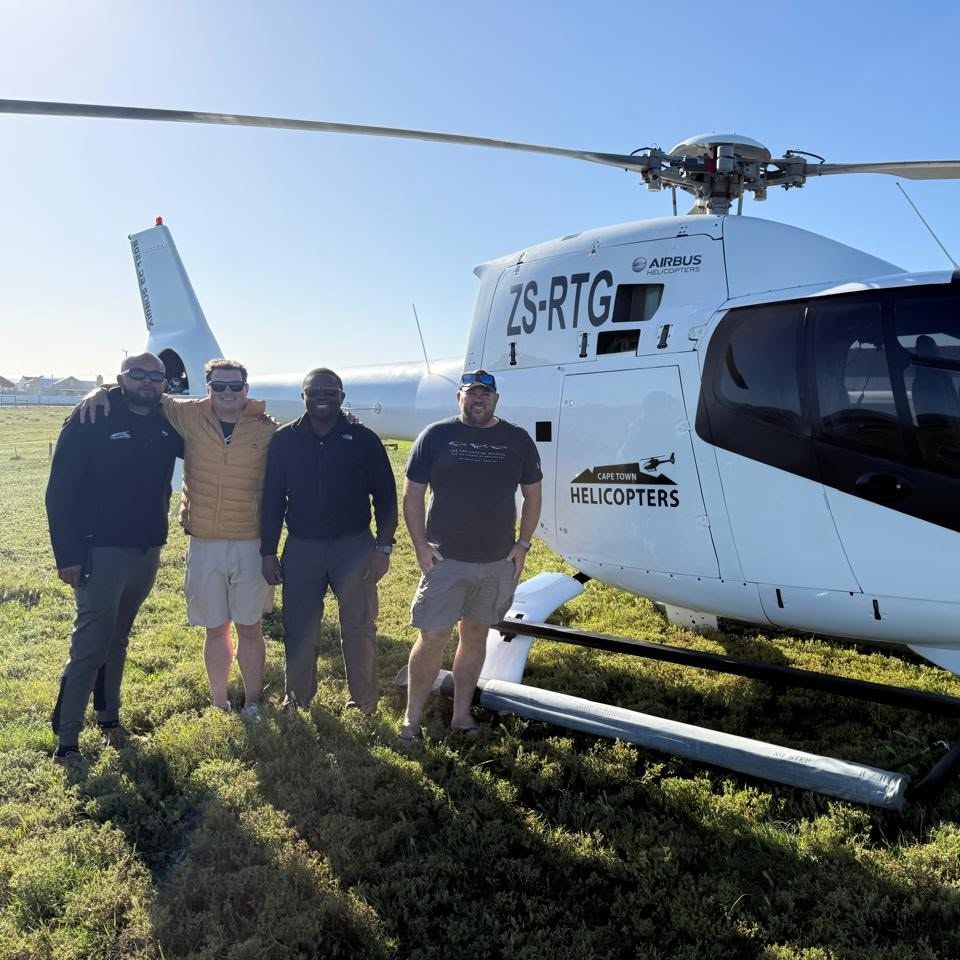
“A huge thank you to everyone who made this year’s survey possible, including Cape Town Helicopters, Grootbos Foundation, The Anchorage Beach Restaurant & Bar, De Hoop Collection Nature Reserve, Marine Dynamics Shark Tours, Denel Overberg Test Range, CapeNature Reserve, The Thatch House Hermanus and many private citizens along the way”
Every survey adds another important piece to the puzzle of understanding and conserving these remarkable animals