
Trending Now
Latest Blogs
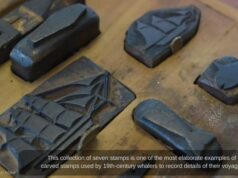
Whaling logbooks are filled with stories of adventure
Whaling logbooks and journals tell the story as to what life was like aboard a whaling vessel. Like many old documents they were handwritten in cursive, often on paper that has been damaged over the years, sometimes in pencil or faded ink, and the writers usually were not too keen on spelling. Nevertheless, a lot of valuable information can be found inside these records of past whaling voyages.
The uncomfortable truth behind the sharp rise in whale injuries
Learn why whale injuries and whale entanglement are increasing, and how ocean changes and fishing practices are impacting whale survival.
How Whales Nurse Their Young- facts and fiction about whale milk
Whales are marine mammals, and like most mammals, they produce whale milk to feed their young. They also share many other traits with...



Tourism

#GreenXmas @intheOverberg
We are grateful to the champions @intheoverberg @WWFSouthAfrica @GoSocialSA @GoToSouthAfrica @ShotLeft who created a twitter #chat platform on 25 November where we could share...

Fryer’s Cove wines… sipping the sea on the West Coast
Tasting the wine..On the waterfront in a derelict old crayfish factory right at the seaside in the bay, you will find a tiny...

Lighthouses: Beacons of Light on the Cape Whale Coast
Discover the historic "beacons of light" guarding South Africa’s rugged Cape Whale Coast. From Danger Point to Quoin Point, explore the maritime history, shipwrecks, and breathtaking views of the Overberg’s most iconic lighthouses.


Marine WildLife Magazine
Marine Wildlife Magazine was born from a deep love for the ocean and a lifelong commitment to protecting it. Through powerful storytelling, the magazine explores the intersection of science, society, and the environment, sharing fascinating narratives that bring coastal life to the forefront. From remote shorelines to bustling marine ecosystems, Marine Wildlife Magazine highlights the people, wildlife, and research shaping our oceans — inspiring awareness, conservation, and a deeper connection to the blue planet we all depend on.